
Better data, better research
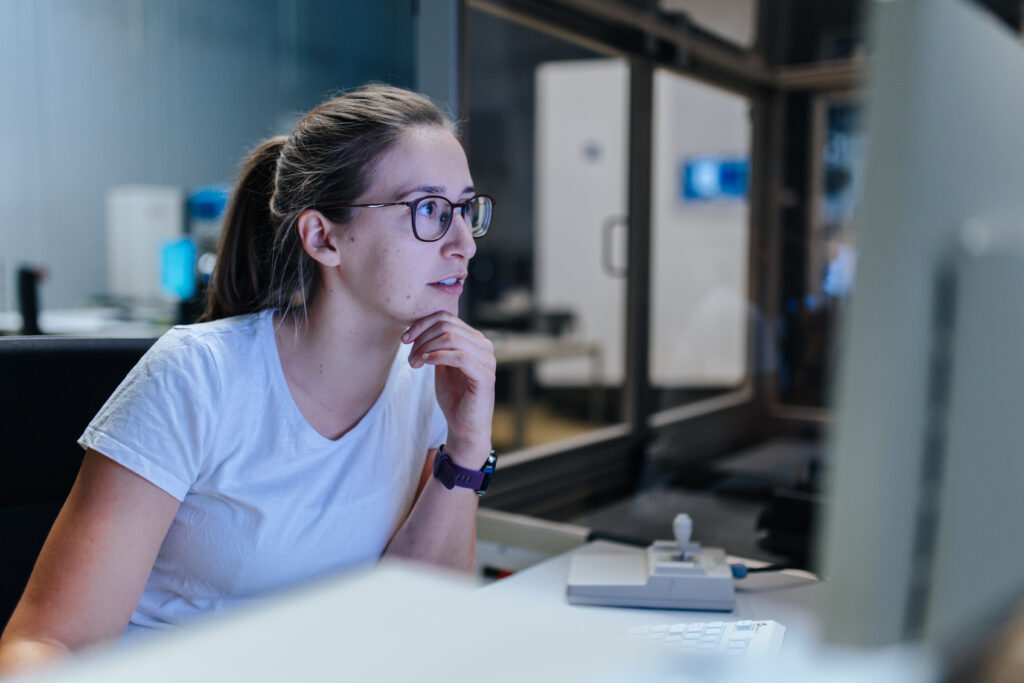
FAU prepares research data for AI and future innovations Photon and neutron research provides important insights for the development of…
Can magnetic fields help fight Parkinson’s disease?
FAU researchers experimenting with new therapeutic approach An international team has succeeded in using a magnetic field to target structures…
Sucessfull conference supported by FAU EAM
What an inspiring and energizing meeting at the Mechanobiology of Tissues conference! Sincere thanks to all invited speakers and participants for…
Call for EAM Starting Grant 2026/2027
Announcement EAM Starting Grant 2026/2027 Call for proposals (first summary April 30, 2026 – final deadline May 31, 2026) Dear…
Professor Peter Wasserscheid receives Archimedes Sciences Award 2026
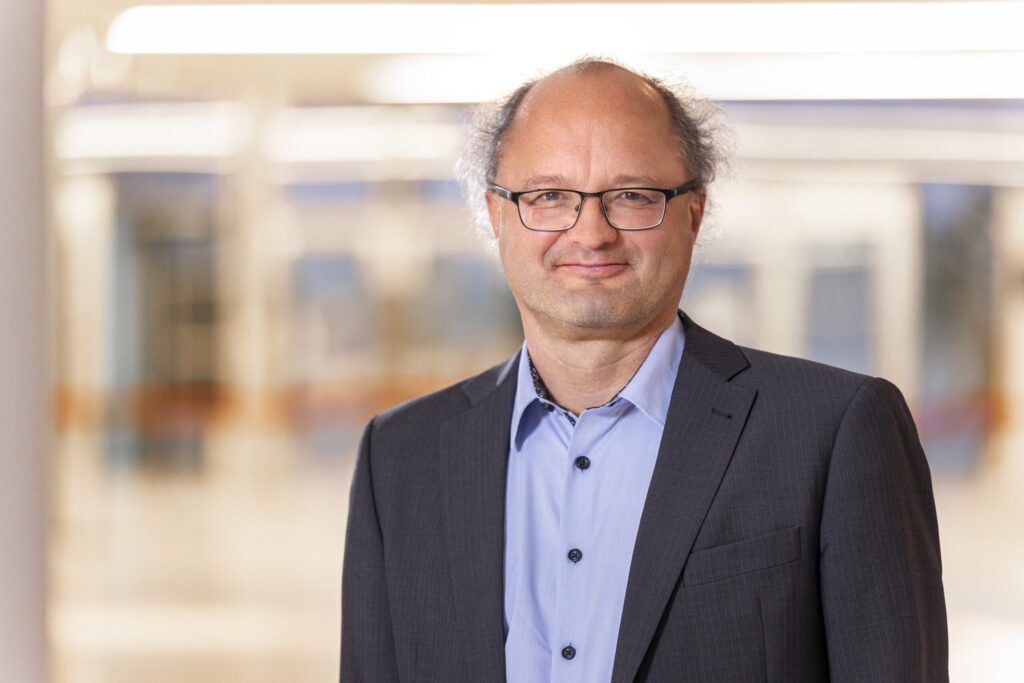
Prestigious science award honors achievements in the field of hydrogen technology FAU EAM member Prof. Dr. Peter Wasserscheid, Chair of…
The secret to making a cut: What happens when you cut a sausage?
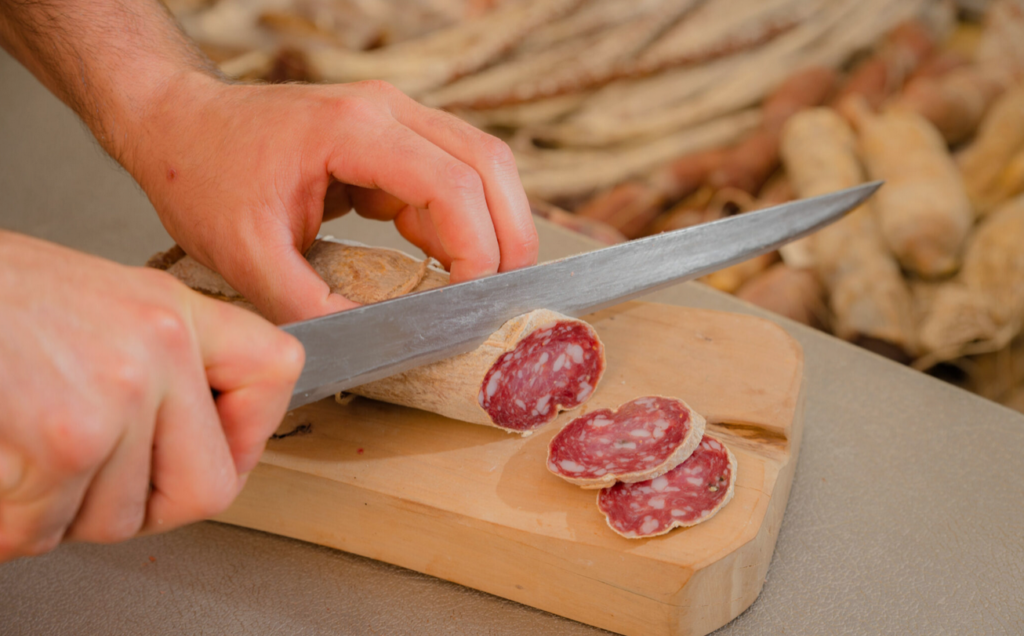
FAU researchers investigate the processes involved in cutting soft tissue Most of us never think twice about how best to…
New Member Dr. Miguel Angel Moreno-Mateos
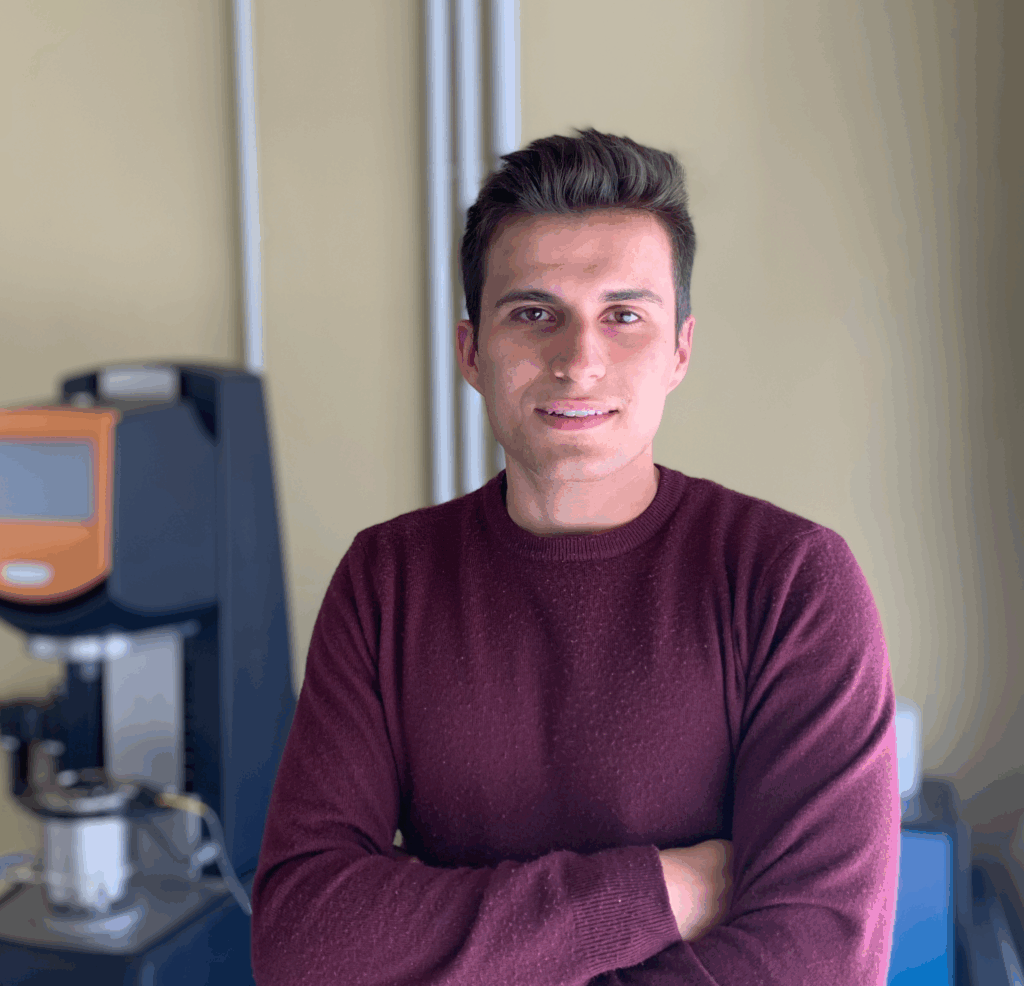
Welcome to the newest FAU EAM member Dr. Miguel Angel Moreno-Mateos! Miguel Angel Moreno-Mateos began his academic path at University…
EAM Starting Grants 2025/2026 awarded
In this years call, the Executive Board of the FAU Competence Center EAM decided to award one new EAM Starting…
Digital twin: Fast, yet reliable

How lightning-fast simulations are helping medium-sized companies with million-euro investments Electricity instead of natural gas, sustainable raw materials instead of…
ERC awards €1.5 million grant to FAU EAM member Dr. Carlos L. Bassani
Dr. Carlos L. Bassani has received an ERC Starting Grant for his project kineticSHAPES – Kinetic Pathways to Control Nanocrystal…
New Member Prof. Dr. Henry Dube
Welcome to the newest FAU EAM member Prof. Dr. Henry Dube! Henry Dube studied chemistry at the Philipps-University Marburg and…
New Member Dr. Carlos L. Bassani
Welcome to the newest FAU EAM member Dr. Carlos L. Bassani! Carlos L. Bassani holds a dual PhD in Chemical…
Call for EAM Starting Grant 2025/26
Announcement EAM Starting Grant 2025/2026 Call for proposals (first summary April 30, 2025 – final deadline May 31, 2025) Dear…
Hector RCD Award for Carolin Müller
FAU EAM member Carolin Müller is one of just three awardees The three new winners of the Hector Research Career…
January 2025
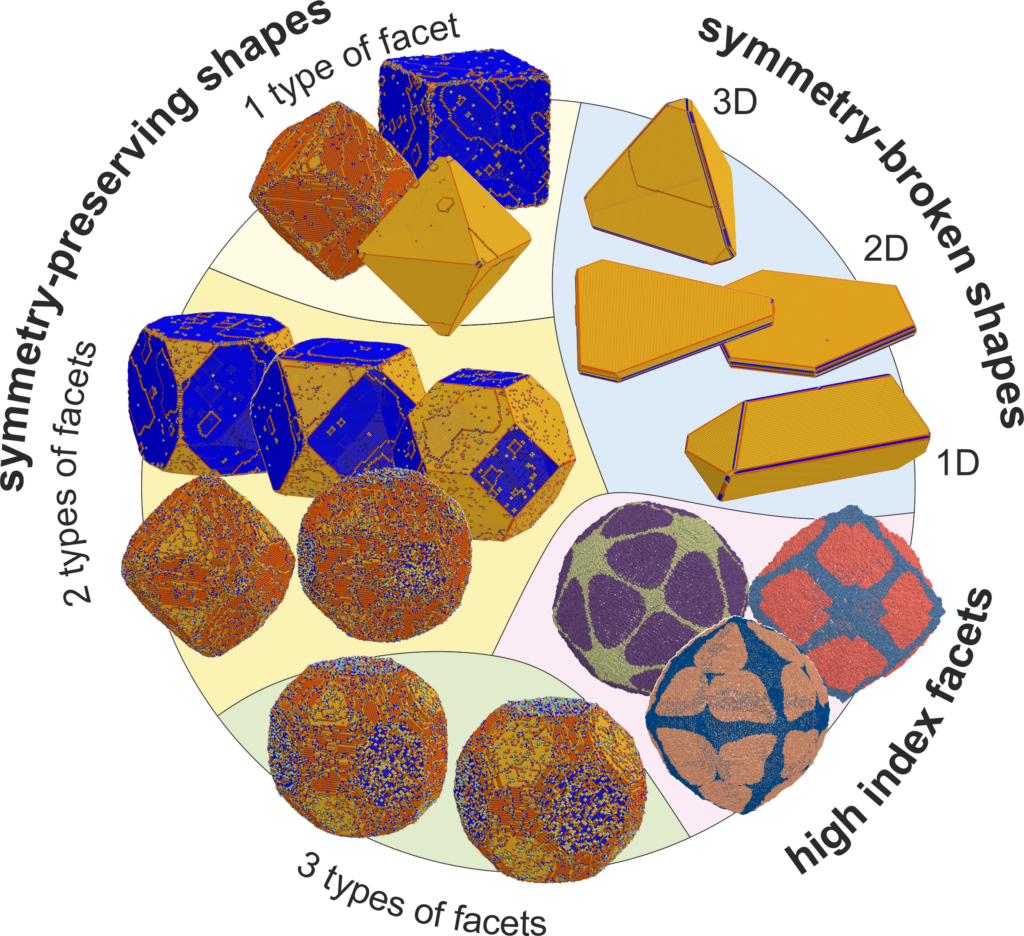
Nanocrystals Shaping the Future Nanomaterials represent a class of materials with enhanced and new functionalities. Among these, nanocrystals stand out…
Two EAM Starting Grants 2024/2025 awarded
After a high level of competition, the Executive Board of the FAU Competence Center EAM decided to award two new…
Researchers aim to make soft, elastic material more tear-resistant
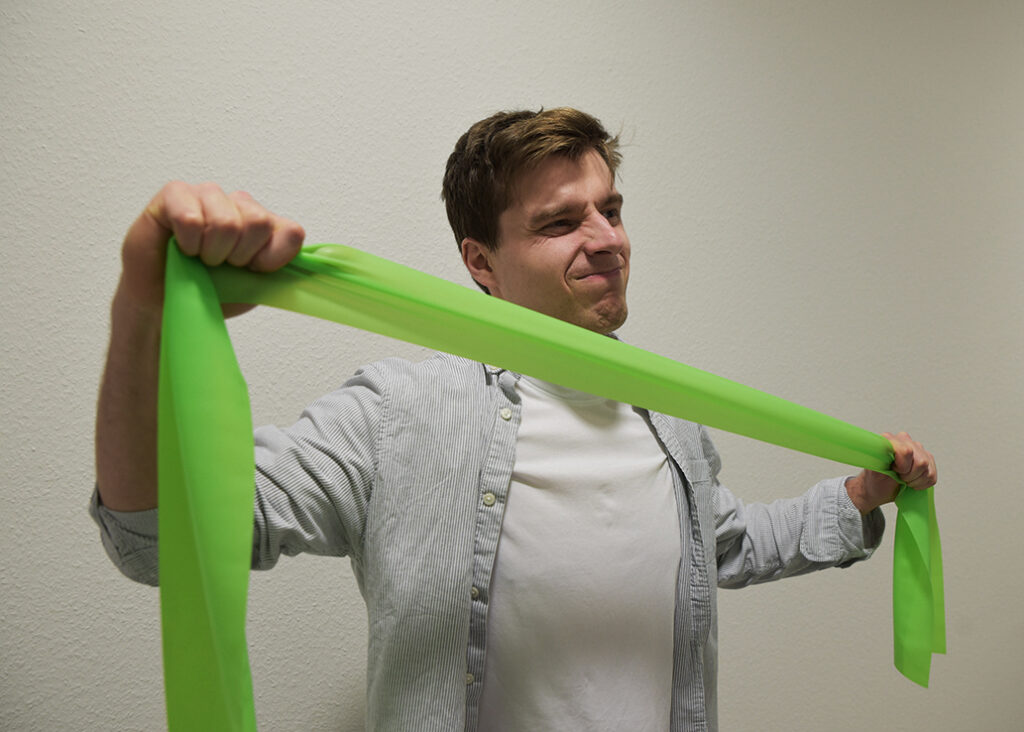
FAU study shows that the extent of cross-linking between the polymer molecules is one of the key factors here. Soft…
Projektförderung: Wie bekommen wir Quantencomputer im Taschenformat
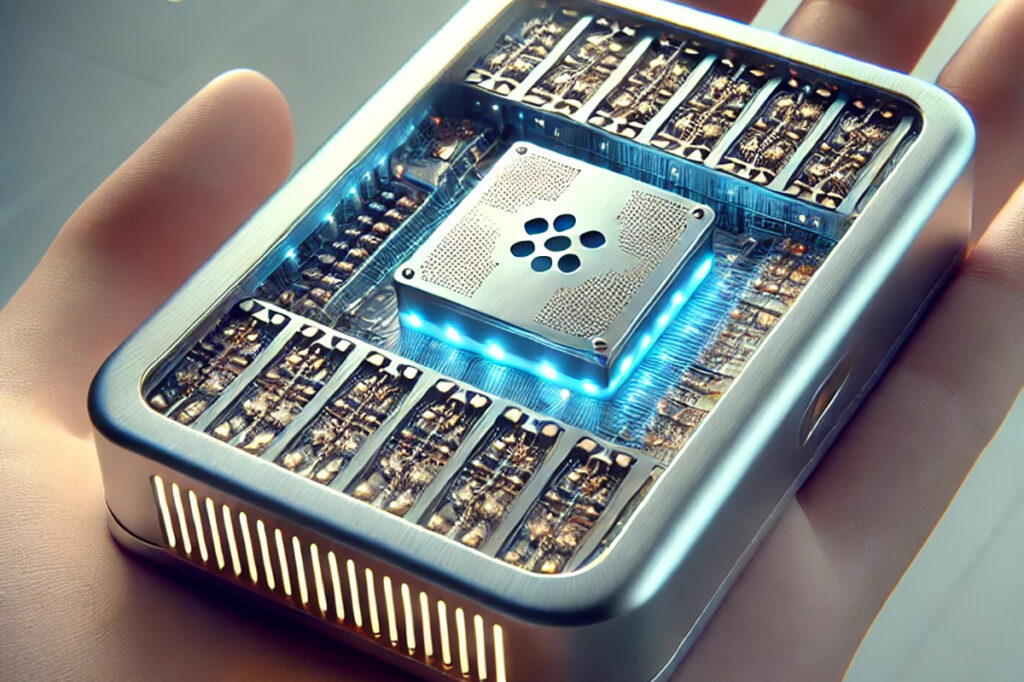
FAU-Physik wird mit über 900.000 Euro für zukunftsweisendes Projekt gefördert Ein Quantencomputer, gerade mal so groß wie ein Smartphone –…
Solar power: Automated development of materials for solar cells
Thanks to high-throughput experiments and machine learning, FAU researchers are accelerating the search for chemical compounds for high-performance elements. A…
December 2024
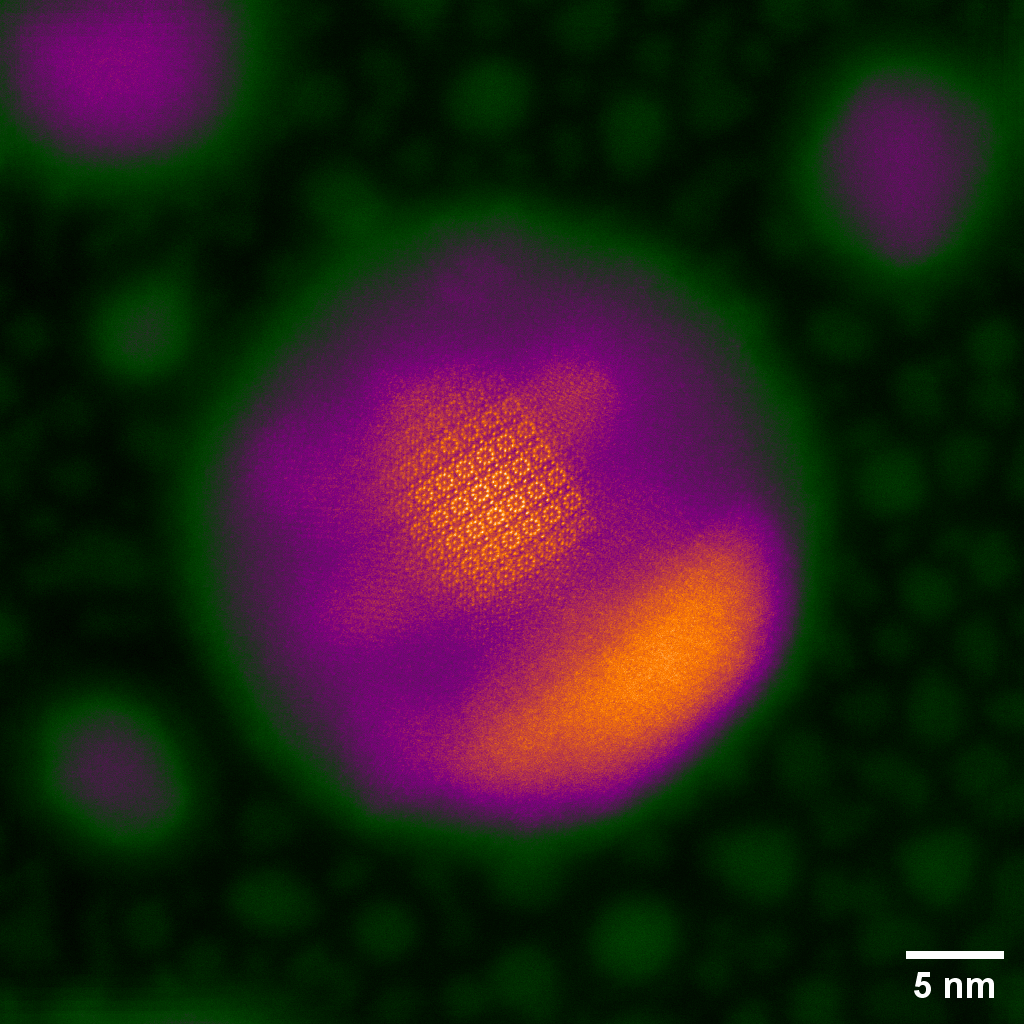
Unlocking the Future of Catalysis with SCALMS (Supported Catalytically Active Liquid Metal Solutions): A Dynamic Approach to Heterogeneous Catalysis While…
FAU physicist investigating the inner structure of the Covid-19 vaccine
Since 2020, very many people across the globe have been vaccinated against Covid-19, but the exact structure of this vaccine…
November 2024
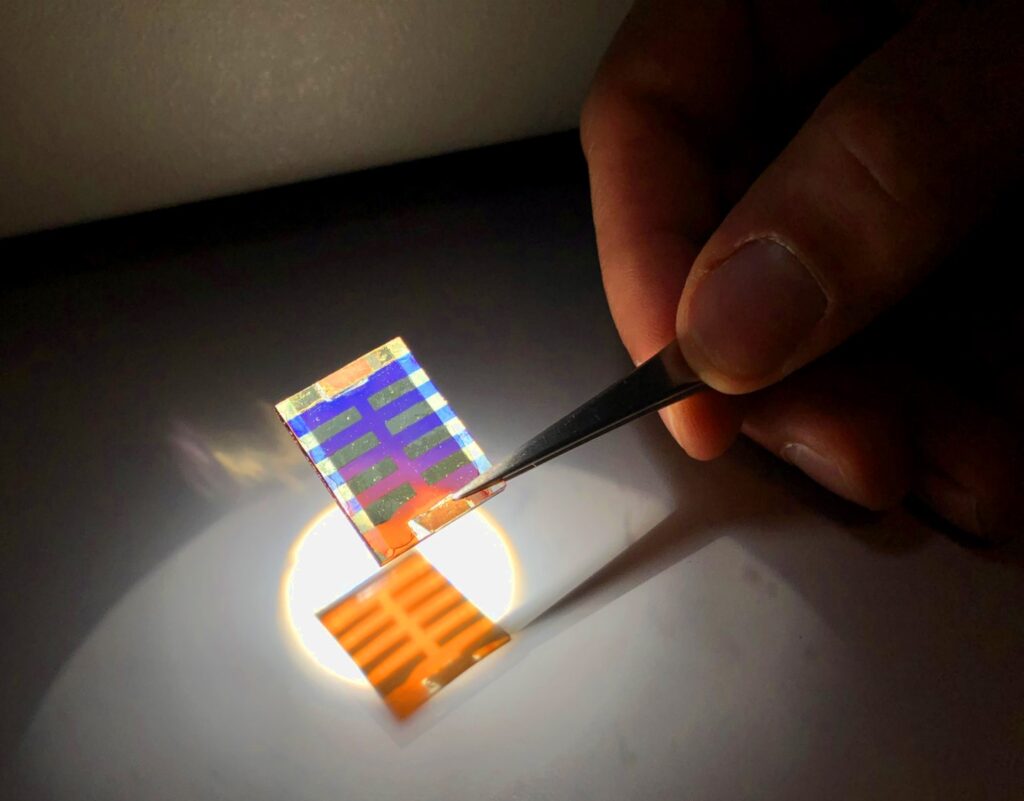
Solar cells typically base on a comparatively brittle, half-millimeter thick slice of silicon as the semiconductor. Exploiting alternative materials can…
October 2024
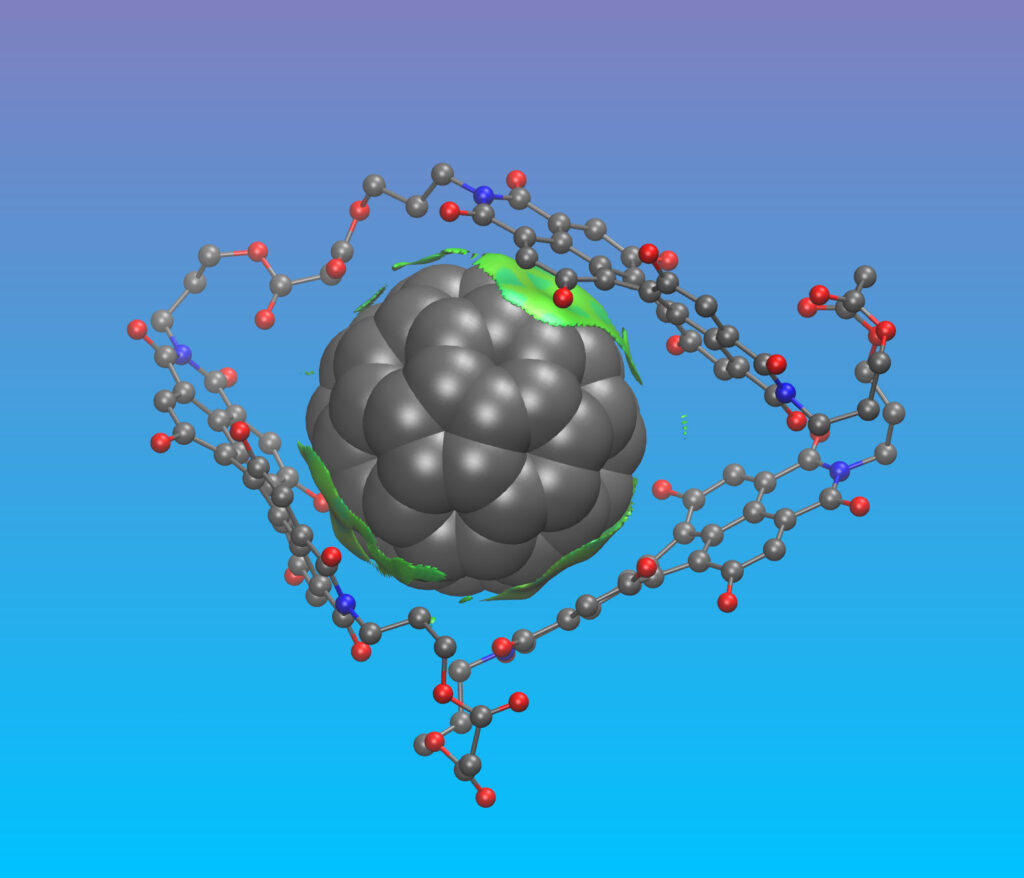
Host-guest recognition is an essential part of supramolecular chemistry which is concerned with the interactions and optimal design of host…
DFG Core Facility für FAU EAM Unit FPS
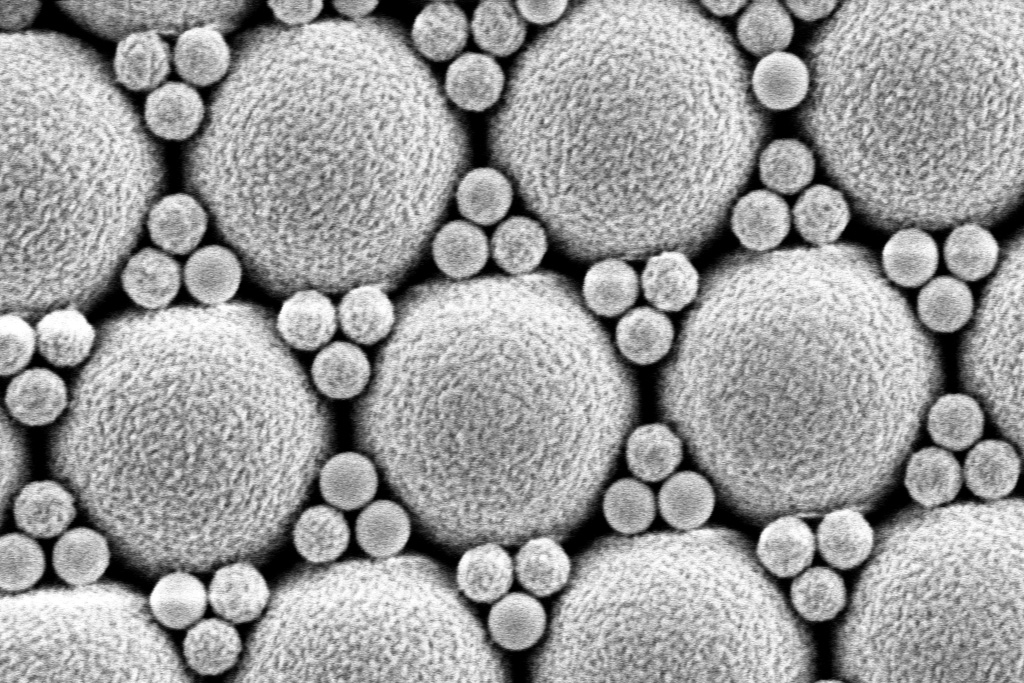
Glückwunsch an FAU EAM Unit FPS! Zentrum der FAU wird Core Facility – knapp eine Million Euro Förderung durch die…
New Member Prof. Dr. Simon Thiele
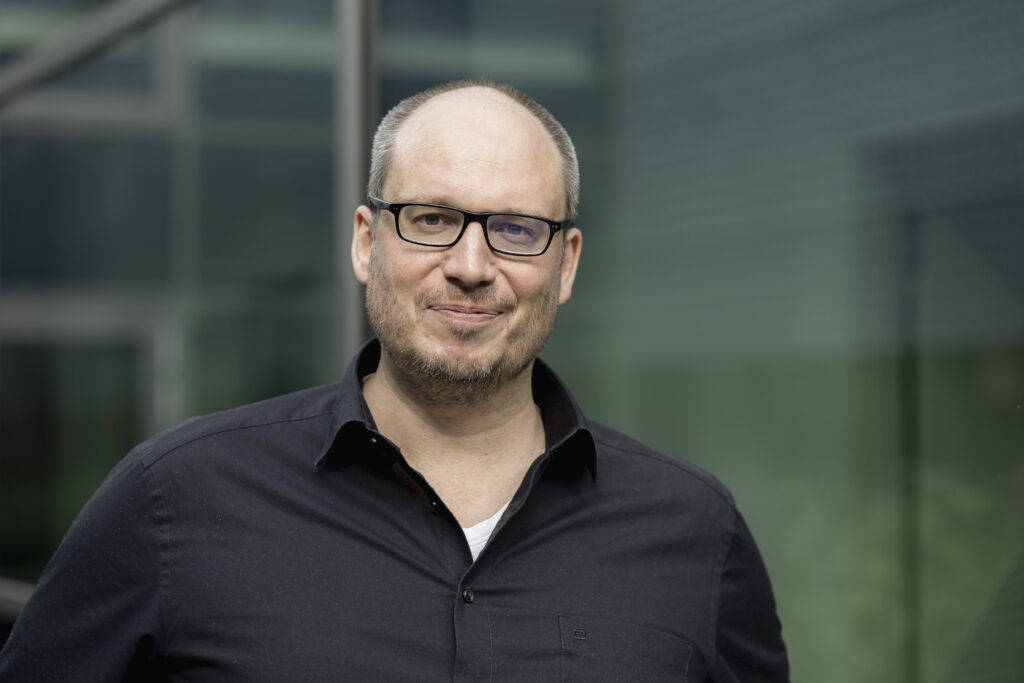
Welcome to the newest FAU EAM member Prof. Dr. Simon Thiele Prof. Dr.-Ing. Simon Thiele studied physics at the University…
New Member Prof. Dr. Luca Ghiringhelli
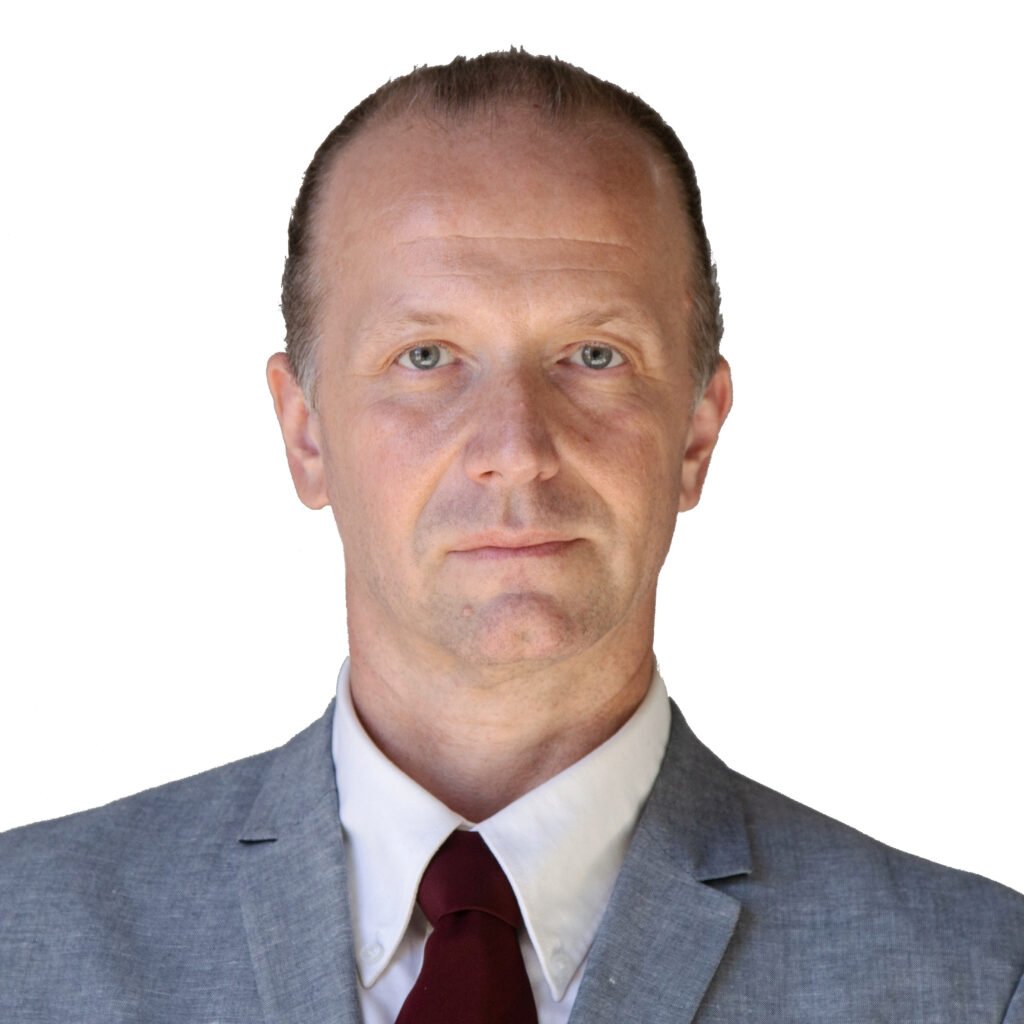
Welcome to the newest FAU EAM member Prof. Dr. Luca Ghiringhelli Since October 2023, Luca M. Ghiringhelli is professor for…
ERC Starting Grant for Philipp Pelz
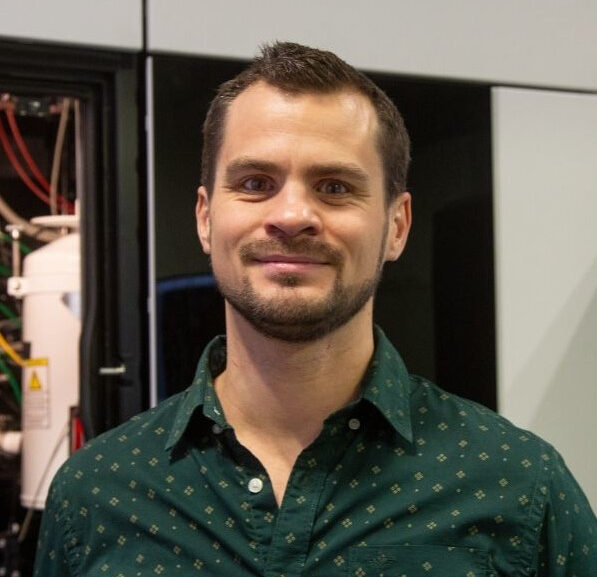
He optimizes imaging and analysis methods in electron microscopy in order to find out more about the structure of materials…
New FAU EAM Executive Board
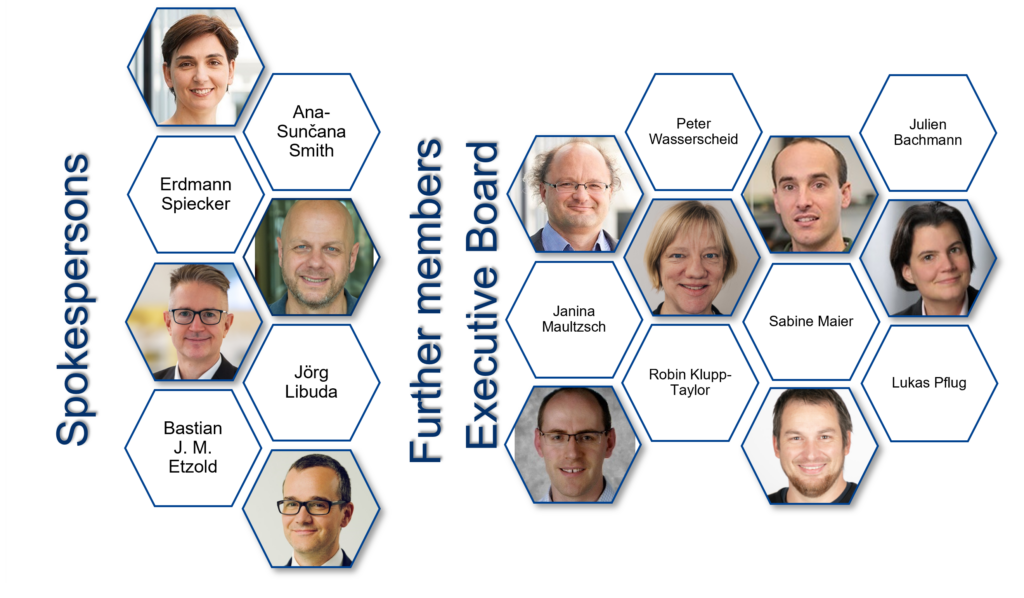
September brought some changes within FAU EAM: We welcome Bastian Etzold (Chemical and Biological Engineering, Faculty of Engineering) and Jörg…
September 2024
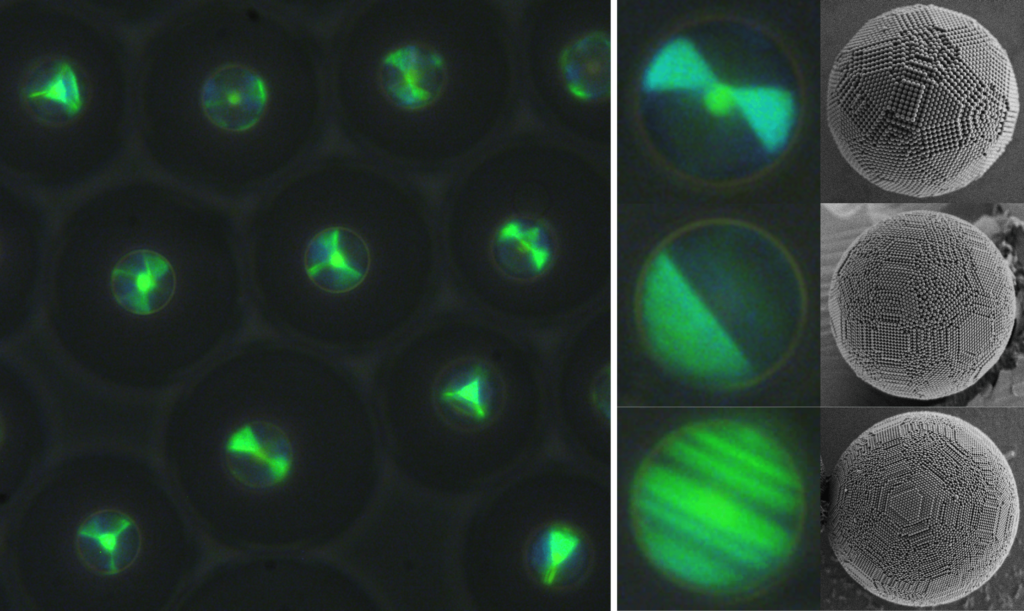
Most of the colors we encounter in daily life are produced by pigments, i.e., produce by the absorption of specific…
August 2024
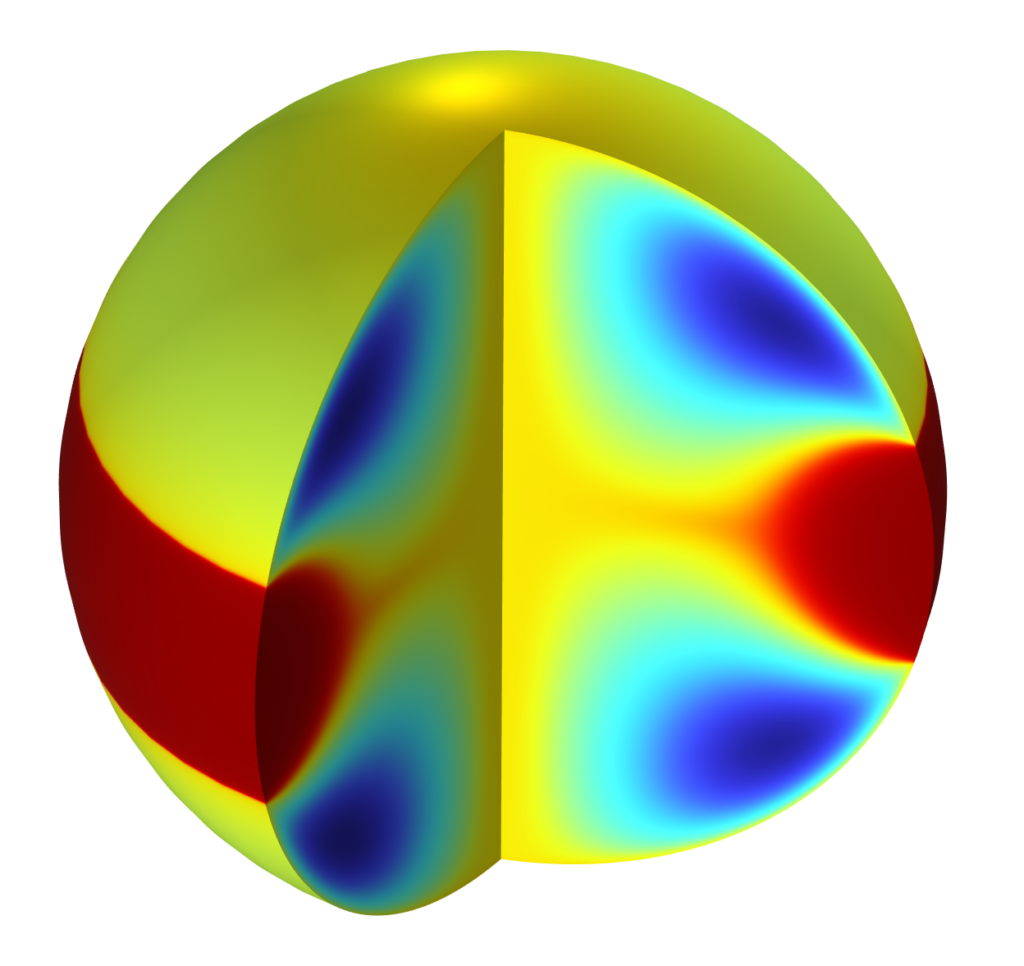
Acoustic levitation makes it possible to immobilize small objects without physical contact. Instead, a standing sound wave is used to…
New member Prof. Dr. Danijela Gregurec
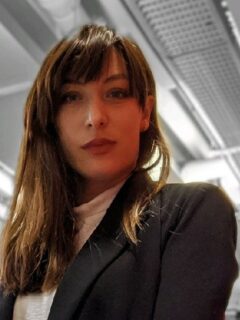
Welcome to the newest FAU EAM member Prof. Dr. Danijela Gregurec After her MSc degree in applied chemistry at the…
July 2024
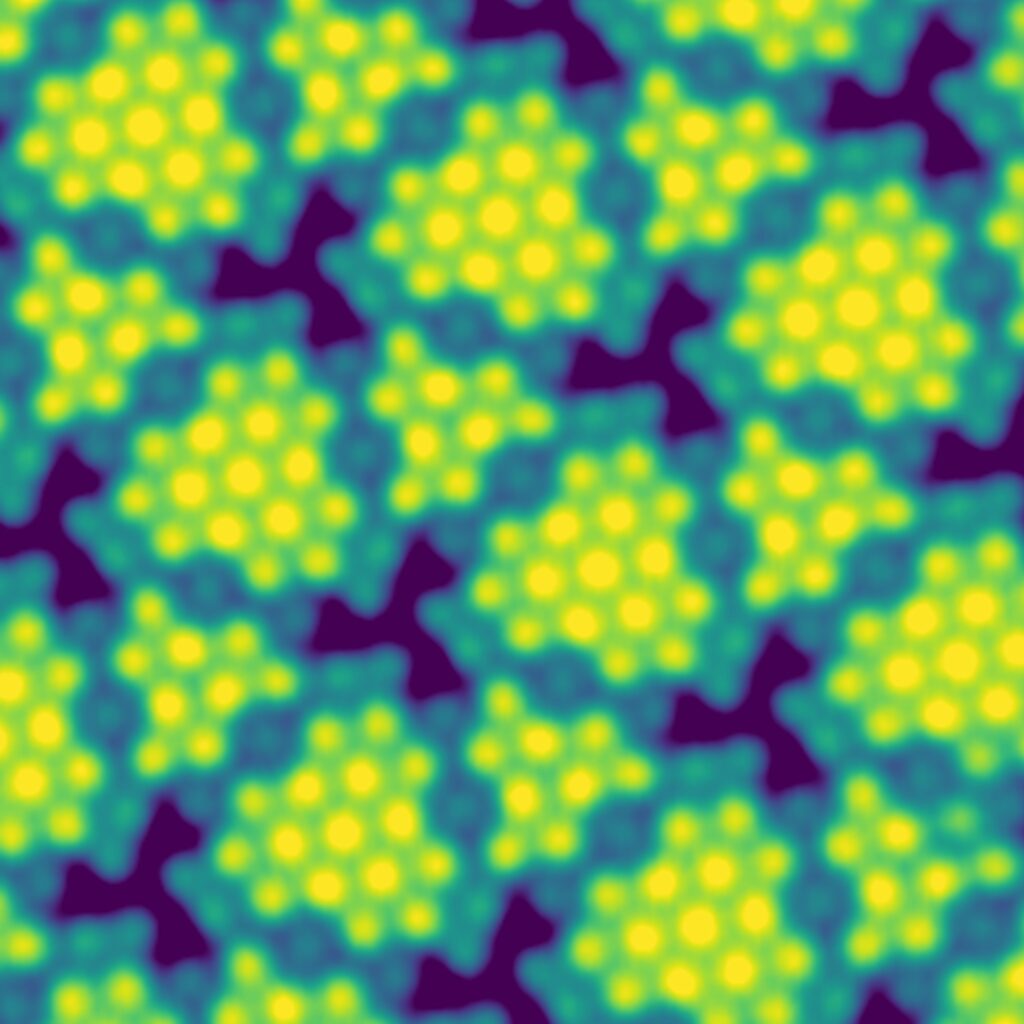
Transition-metal dichalcogenides (TMDCs) triggered large interest in condensed matter research since these twodimensional materials exhibit electronic states ascribed to ‘topological…
New member Prof. Dr. Carolin Müller
Welcome to the newses FAU EAM member Prof. Dr. Carolin Müller Carolin Müllers academic journey began at Friedrich Schiller University…
June 2024
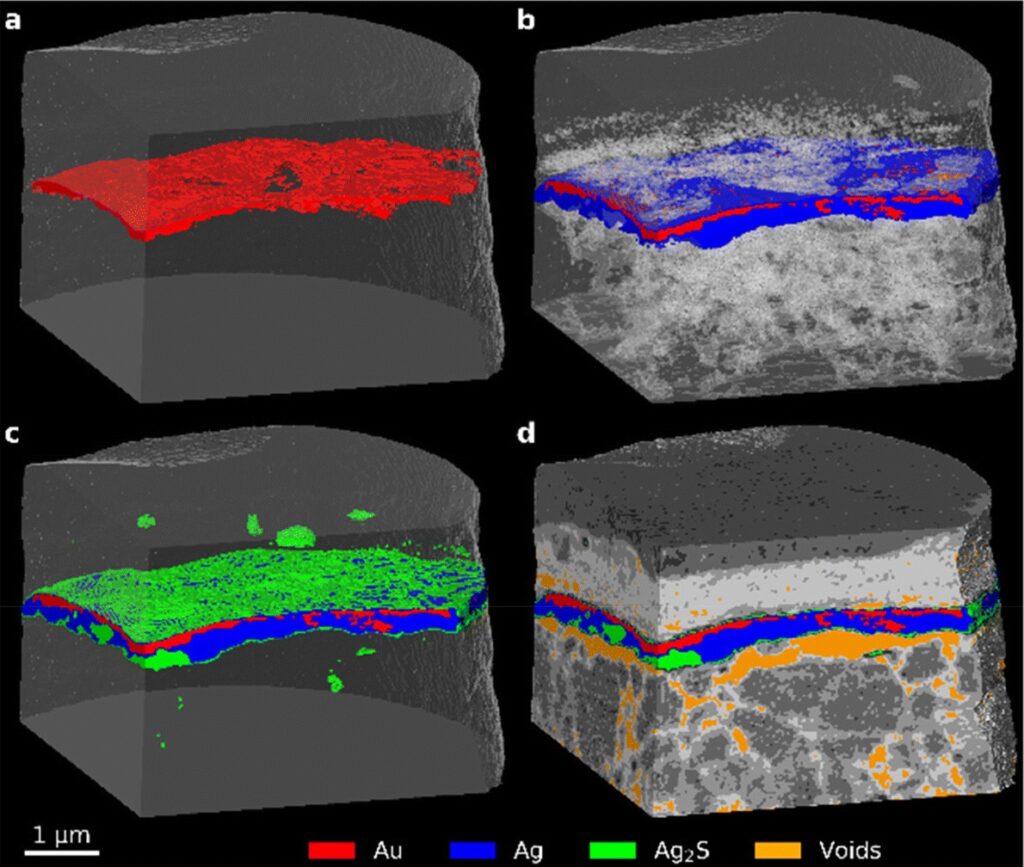
Zwischgold is an ultra-thin bilayer metal leaf that has been developed in medieval times as an alternative to gold leaves.…
May 2024
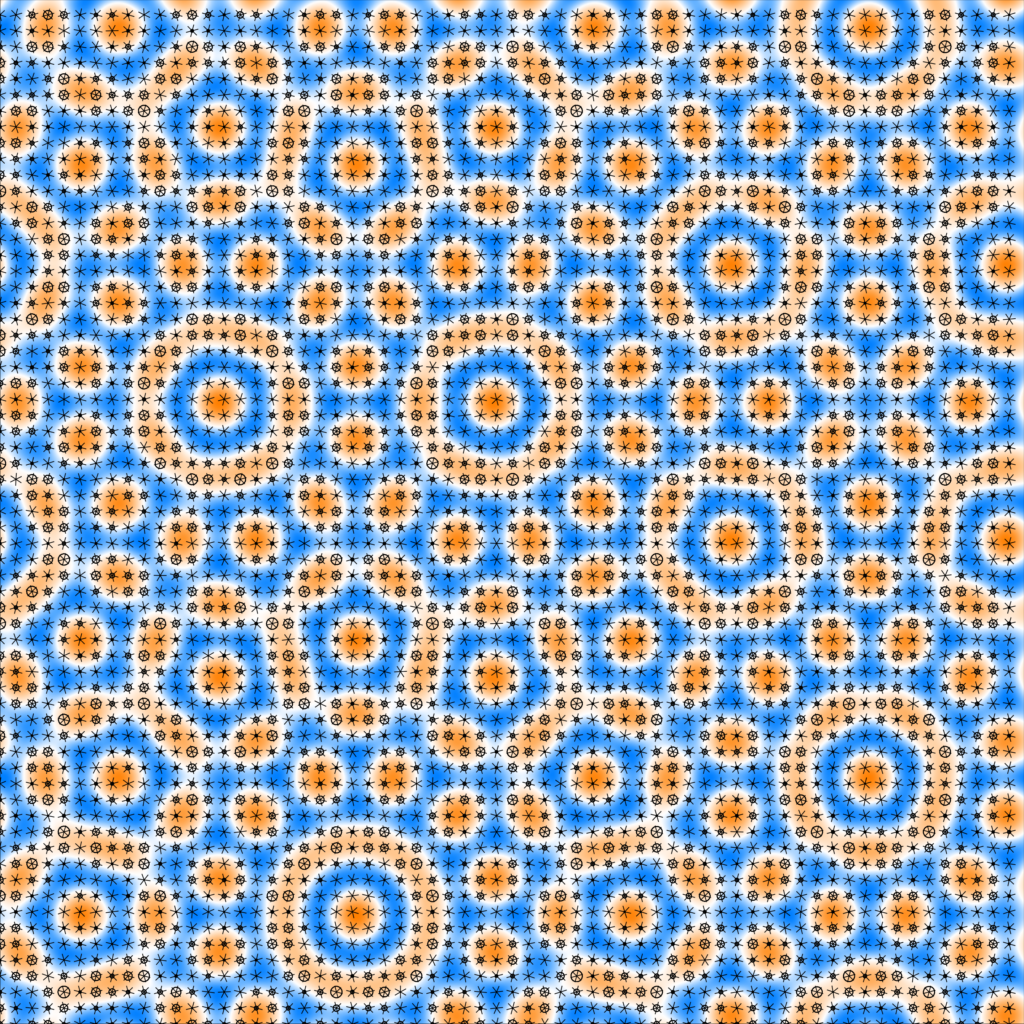
Patchy colloids are particles that interact with preferred binding angles. We have developed a new Phase Field Crystal Model that…
Molecule as supplier and energy storage solution for solar energy
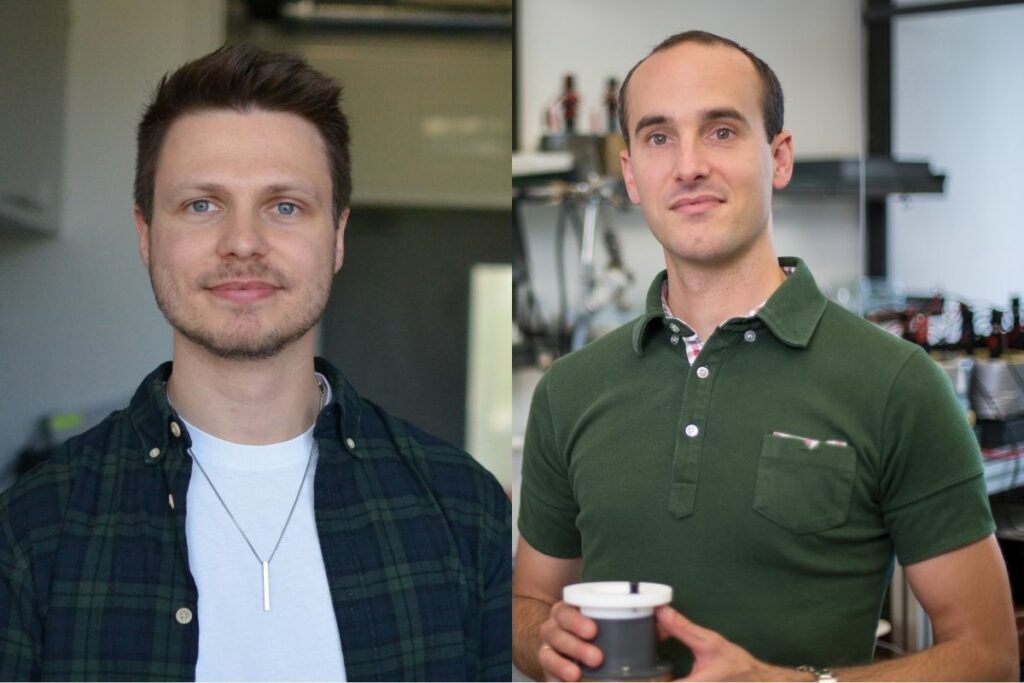
FAU chemists conduct research into novel approach of using an organic module for storing solar energy Until now, the generation…
April 2024
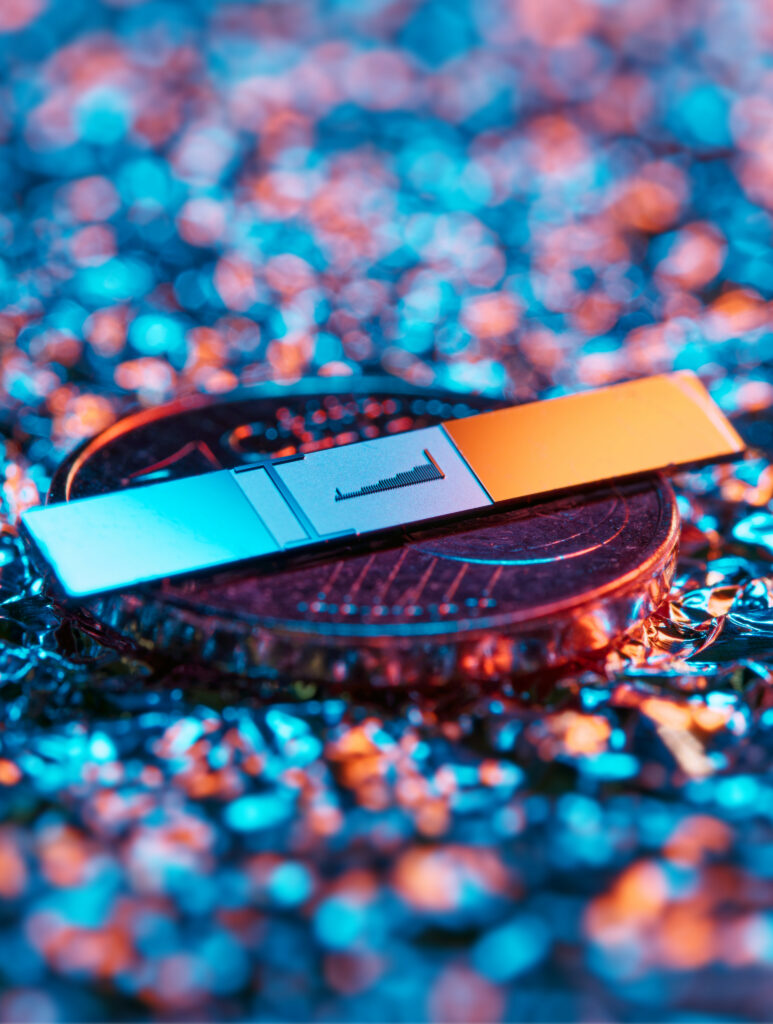
Our research covers electron acceleration with nanophotonic structures powered by laser light. We just demonstrated a scalable nanophotonic electron accelerator…
New member Prof. Dr. Bastian Etzold
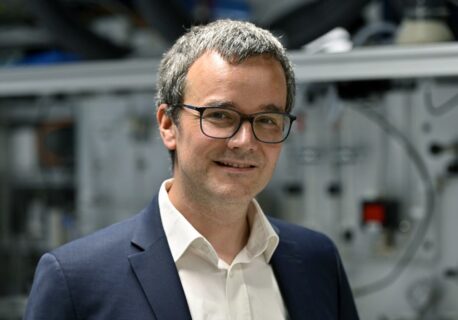
Welcome to the newses FAU EAM member Prof. Dr. Bastian Etzold Professor Bastian Etzold was appointed to the Chair of…
March 2024
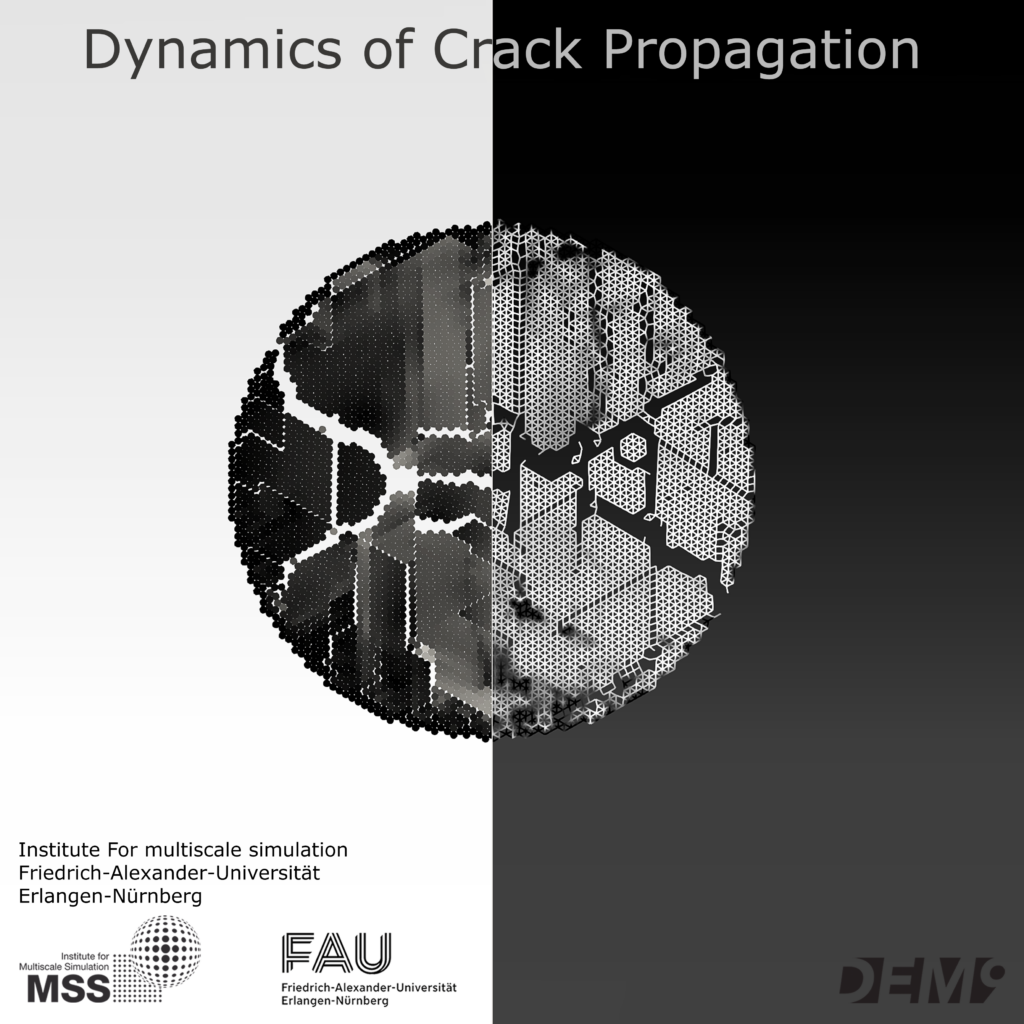
This image illustrates the crack pattern that emerges as a suspension dries. The system consists of interconnected particles held together…
Neues Wasserstoffzentrum in Bayern
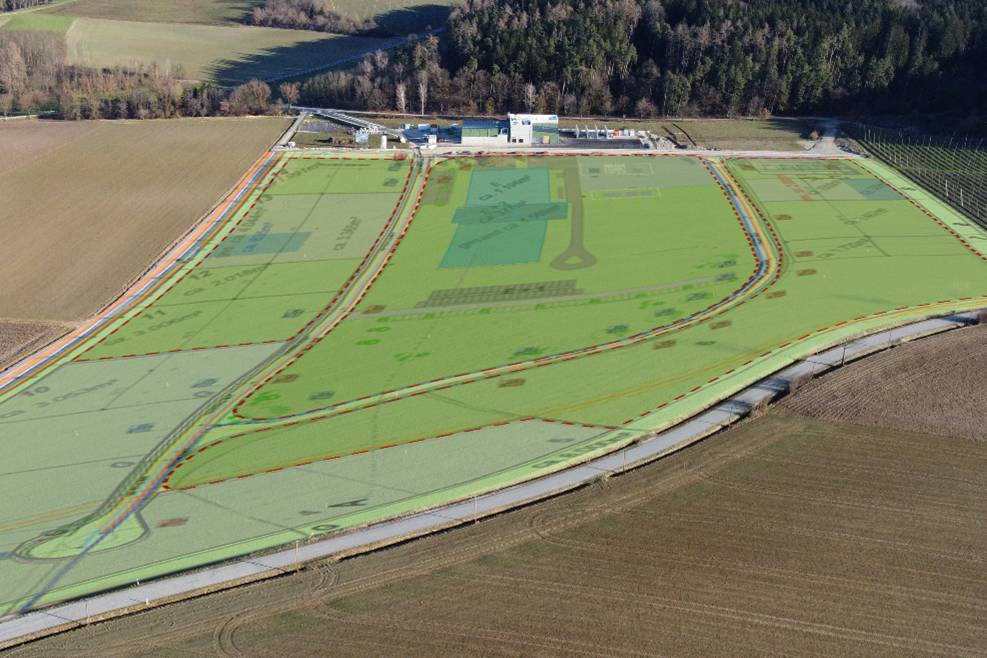
FAU beteiligt sich an Wasserstoff-Technologie-Projekt zu emissionsfreien Antriebstechnologien in Deutschland Die FAU ist am Wasserstoff-Technologie-Anwenderzentrum (WTAZ) beteiligt, das in Pfeffenhausen…